
Summer is a time to relax and recharge. It is also a time to learn and dig into some new ideas to implement in the coming school year. Here are my top 5 recommended science/STEM education books to dig into over the summer. There are a variety of books here with a little something for everyone.
- Ambitious Science Teaching by Mark Windschitl, Jessica Thompson, & Melissa Braaten

Ambitious Science Teaching is a comprehensive guide that presents a transformative approach to science education, offering practical strategies and research-based principles for engaging students in meaningful and rigorous scientific inquiry. Written by a team of expert educators, the book emphasizes the importance of creating ambitious learning goals, promoting equitable classroom discourse, and designing authentic assessments to cultivate students’ scientific thinking and problem-solving skills. With its emphasis on fostering curiosity, developing and revising public explanatory models, collaboration, and deep understanding, Ambitious Science Teaching serves as an invaluable resource for educators seeking to revolutionize science instruction and inspire the next generation of scientifically literate citizens. If you are a science/STEM educator and you haven’t spent time with this book- then now might be that time.
2. Science in the City by Bryan A. Brown
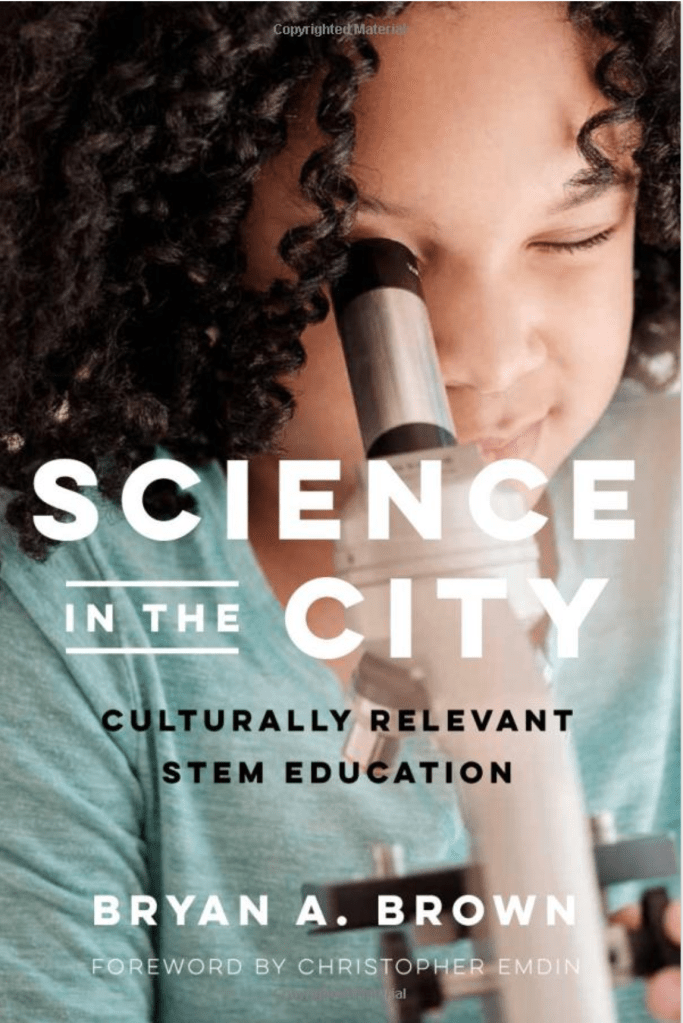
In Science in the City, Bryan A. Brown explores the significance of language and culture in effective science teaching, acknowledging the diverse and multilingual nature of our society. The book emphasizes the importance of understanding how cultural factors intersect with learning principles for teachers. Brown connects contemporary urban science teaching research with a transformative instructional approach, encouraging students to develop mastery by engaging in culturally meaningful discussions about science.
The book focuses on instruction, demonstrating how science education can thrive when it is connected to students’ backgrounds, identities, language, and culture. A key element of this empowered and inclusive science classroom is the use of narratives. Educators employ stories and anecdotes to introduce students to scientific thinking, present complex ideas in familiar terms, and prioritize understanding over mastery of symbolic systems. This approach creates a classroom environment where familiar and culturally relevant modes of communication foster improved science learning. I do a lot of work on student discourse and argumentation in science learning and this is one of my favorite science education books by far.
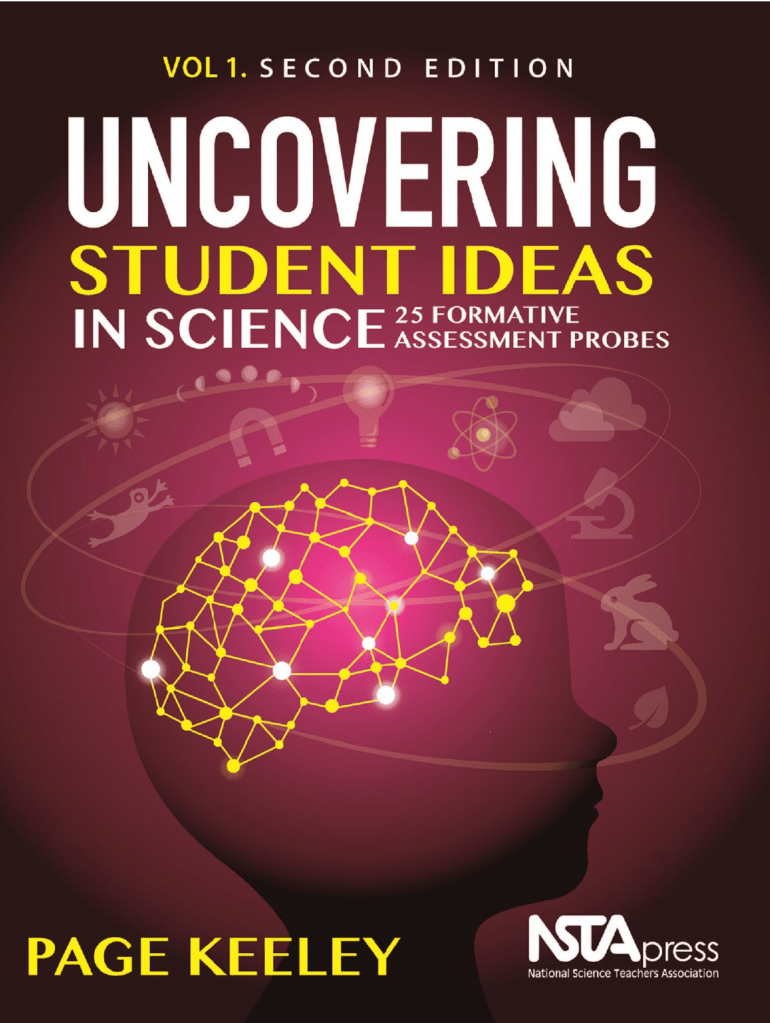
3. Uncovering Student Ideas in Science: Vol. 1 2nd Edition by Page Keeley
It’s hard to beat this classic book by Page Keeley. This is the second edition of the book that started it all and got many of us actively uncovering our students’ thinking in science. If you are not aware of these books- they contain several “probes” that are designed using research on common student science preconceptions and partial ideas in science. These probes then become useful for making these ideas public and then over the course of a unit/storyline students can revisit these ideas and use evidence from their learning to either support, or revise, or refute these initial ideas. Some of the updates the this 2nd edition include connections to NGSS (version 1 was published prior to NGS.) and inclusion of probes in Spanish. Obviously you can’t go wrong with the other volumes in this series too.
4. Braiding Sweetgrass by Robin Wall Kimmerer

Braiding Sweetgrass is easily one of my favorite books from the last decade. If you’ve never spent time with this incredible book by Dr. Robin Wall Kimmerer then make yourself a summer beverage and settle in to have the way you think about science and the natural world completely changed. This book probably deserves a higher spot on the list- but it is less about practices to implement in the classroom and more a catalyst for changing how you think about culture, science, and the natural world.
Dr. Kimmerer also recently published a version of Braiding Sweetgrass for Young Adults. Also a wonderful book and not just for youth.
5. STEM Lesson Guideposts by Jo Anne Vasquez, Michael Comer, and Joel Villegas
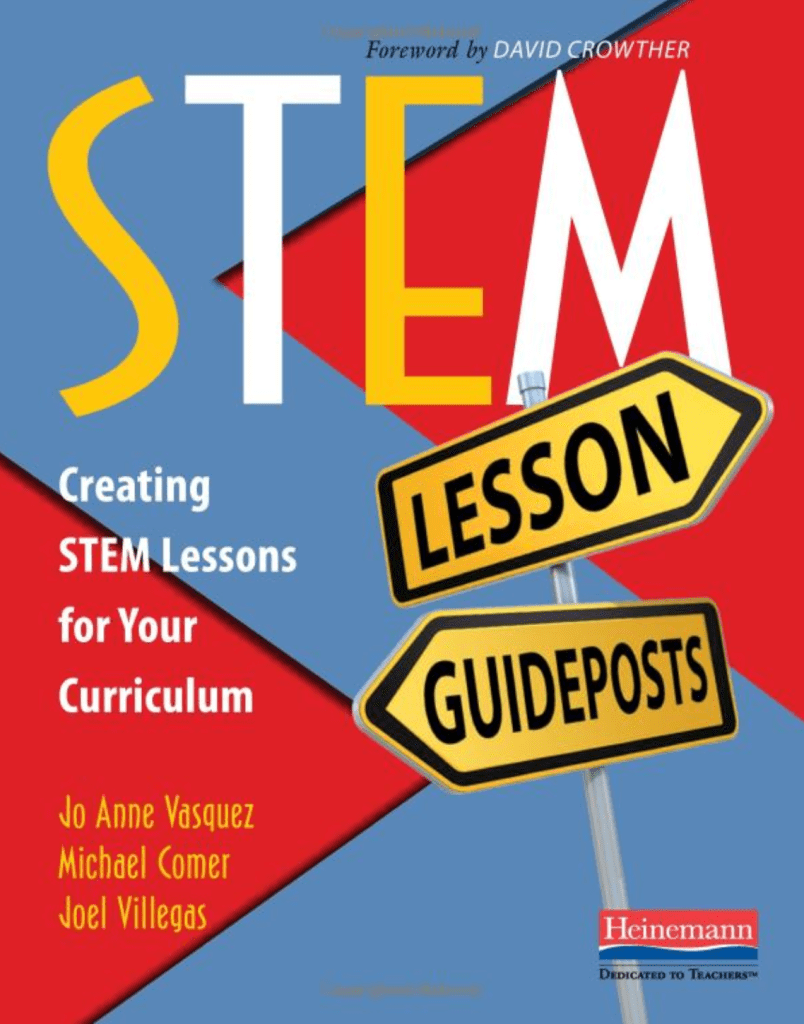
Over the years I have worked with several elementary teachers who have shifted into Elementary STEM (or STEAM) specialist roles and I’ve found that this has been very valuable to them. Now, this book is also valuable to anyone looking to incorporate more STEM learning opportunities into their courses. The book is well-organized, practical, and easy to follow. The book features the WHERE framework that can be a powerful way to frame STEM learning plans. See the overview of WHERE below:
- What and Why: What needs to be learned and why?
- How: How do I plan to meet this goal?
- Evidence and Evaluate: What evidence of learning will be used and how will I evaluate the final product?
- Rigor and Relevance: How will I provide opportunities that will lead to increased rigor and relevance?
- Excite, Engage, Explore: What activities will excite my students and engage them in the STEM practices?
The book STEM Lesson Essentials is another excellent book by the same core authors.
As an Amazon Associate I earn from qualifying purchases made through the affiliate links in this post.

 Science for All
Leave a comment